A practical framework for selecting a firewall that grows with your business—without locking you into expensive upgrades.
Selecting a multi-port firewall appliance is one of the most critical decisions an IT leader can make. The right appliance protects your network perimeter, enables secure remote access, and scales with your organization. The wrong choice introduces bottlenecks, complex management overhead, and hidden costs that strain budgets.
This guide outlines the key technical considerations for evaluating multi-port firewall appliances, helping you make an informed decision that aligns with both your current needs and future growth.
1. Performance Under Full Security Load
Many vendors quote firewall throughput based on ideal conditions—large packets, minimal inspection. However, the real-world performance that matters is UTM (Unified Threat Management) throughput with all security services enabled, including intrusion prevention, antivirus, and application control.
When evaluating appliances, look for:
●Full-scan throughput: Measures performance with all security features activated. This is the number that matters for production environments.
●HTTPS inspection performance: With encryption becoming universal, the ability to inspect TLS 1.3 traffic without degrading network speed is non-negotiable.
●VPN throughput: Essential if your organization supports remote workforces or branch office connectivity.
Example comparison for context: A firewall rated for 5.8 Gbps firewall throughput may deliver only 1.18 Gbps when all security services are active—a significant difference that impacts user experience.
2. Port Density and Connectivity Options
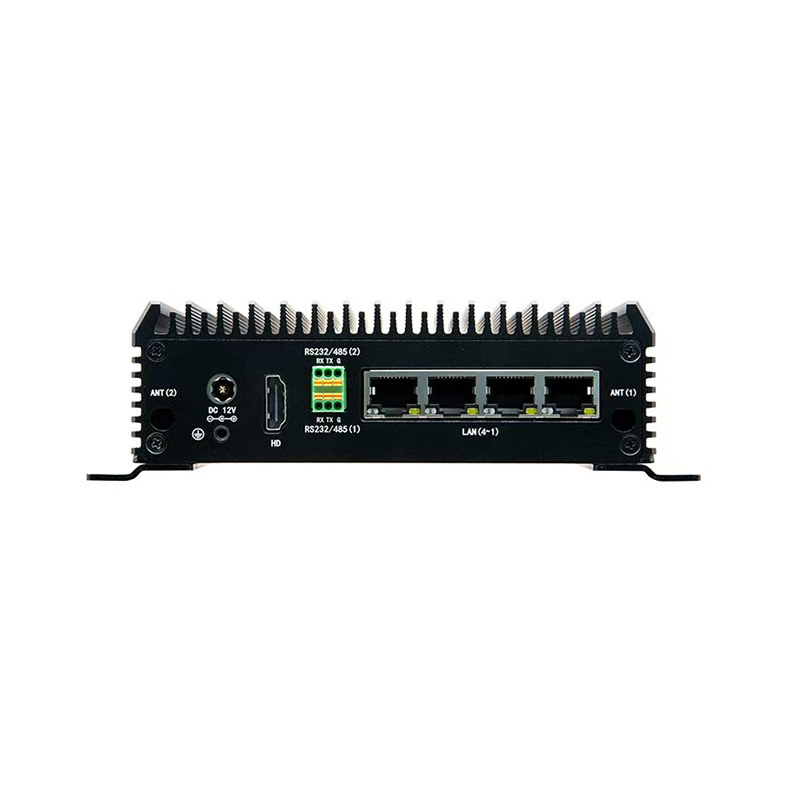
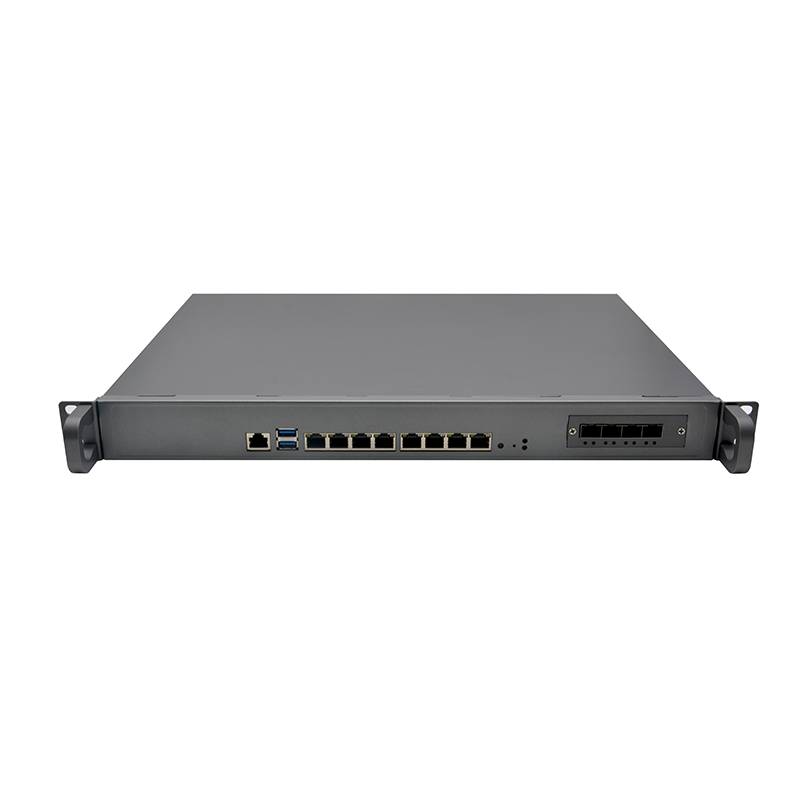
Multi-port appliances must provide enough interfaces to support current infrastructure while accommodating future needs. Key considerations include:
●Copper vs. fiber: Multi-Gig Ethernet ports (2.5/5/10 GbE) and SFP/SFP+ fiber slots offer flexibility for connecting to different network segments.
●Built-in connectivity: Some appliances integrate LTE failover or Power over Ethernet (PoE), reducing the need for additional devices at branch locations.
●Bypass functionality: Certain interfaces can enter a direct pass-through state during power failure or equipment malfunction, ensuring critical business continuity.
The trend in modern appliances is to include Multi-Gig and SFP+ connectivity as standard, eliminating the need for add-on modules that inflate total cost of ownership.
3. Architectural Scalability
A firewall should grow with your organization—without requiring a costly hardware refresh. Evaluate:
●Licensing flexibility: Can you unlock higher throughput or advanced features through firmware updates and service tier upgrades?
●High availability: Does the appliance support active/active or active/standby clustering for mission-critical environments?
●VPN tunnel capacity: Branch office and mobile VPN limits determine how many remote sites and users the appliance can support.
4. Integrated Security Capabilities
Modern firewalls consolidate multiple security functions into a single platform. When evaluating options, examine the depth of:
●Intrusion Prevention System (IPS): Signature coverage, default block rates, and custom signature support. Some vendors now leverage AI-driven engines for zero-day detection.
●Antivirus and malware protection: Look for multi-layer scanning that handles deeply nested compressed files and encrypted threats.
Application control: The ability to identify and manage over 6,000 applications, with granular policy controls down to specific application functions.
●Zero Trust Network Access (ZTNA): Built-in ZTNA capabilities enable secure remote access without traditional VPN complexity.
5. Management and Operational Efficiency
The total cost of ownership extends beyond the hardware price tag. Consider:
●Unified management: Can you manage the firewall, SD-WAN, and security policies from a single pane of glass?
●Deployment options: Does the appliance support zero-touch provisioning and cloud-based management for distributed sites?
●Reporting and visibility: Built-in dashboards and reporting tools reduce the need for additional monitoring investments.
6. Sustainability and Power Efficiency
Many organizations now incorporate sustainability criteria into procurement decisions. Evaluate:
●Energy consumption: Lower-power designs reduce operational costs and environmental impact. Some modern appliances draw under 30W—up to 40% less than comparable units.
●Packaging and materials: Eco-friendly packaging and recyclable materials reflect a vendor’s commitment to environmental responsibility.
Making the Right Choice
The ideal multi-port firewall appliance delivers consistent performance under load, offers flexible connectivity, scales through licensing rather than hardware swaps, and integrates comprehensive security capabilities into a manageable platform.
When evaluating your options, prioritize vendors that provide transparent performance metrics, predictable licensing models, and a clear upgrade path for future growth. The best choice is one that secures your network today while adapting to tomorrow‘s demands—without unnecessary complexity or hidden costs.
For more information on selecting the right firewall for your organization, contact our team for a personalized consultation.






 WhatsApp

 Teamas
