Industrial Motherboards See Steady Evolution with Focus on Modularity and Durability
Time:2026-05-09
Views:493
Market Demand Drives Design Refinements
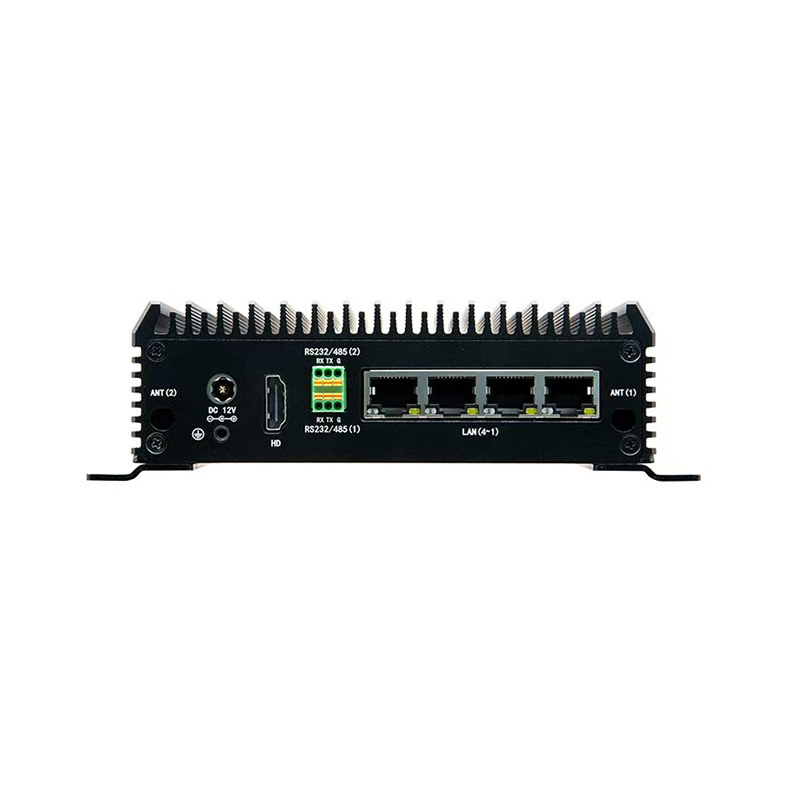
The industrial motherboard market is experiencing steady growth, fueled by the proliferation of smart manufacturing, edge computing, and IoT devices. End users are placing greater emphasis on long-term availability and environmental resilience. Current mainstream products typically support wide-temperature operation (often from -20°C to 70°C) and feature reinforced vibration and dust resistance, making them suitable for demanding scenarios such as automated production lines, outdoor surveillance, and traffic control systems. Meanwhile, compact form factors including PICO-ITX and 3.5-inch SBC are gaining market share, reflecting the broader trend toward device miniaturization and system integration.
Technology Evolution Prioritizes Stability and Compatibility
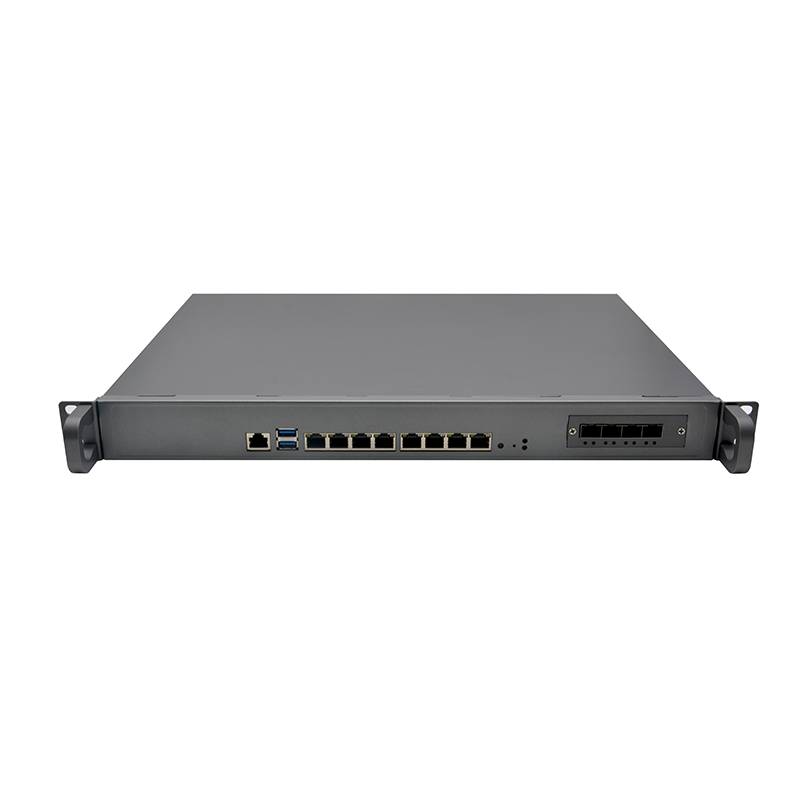
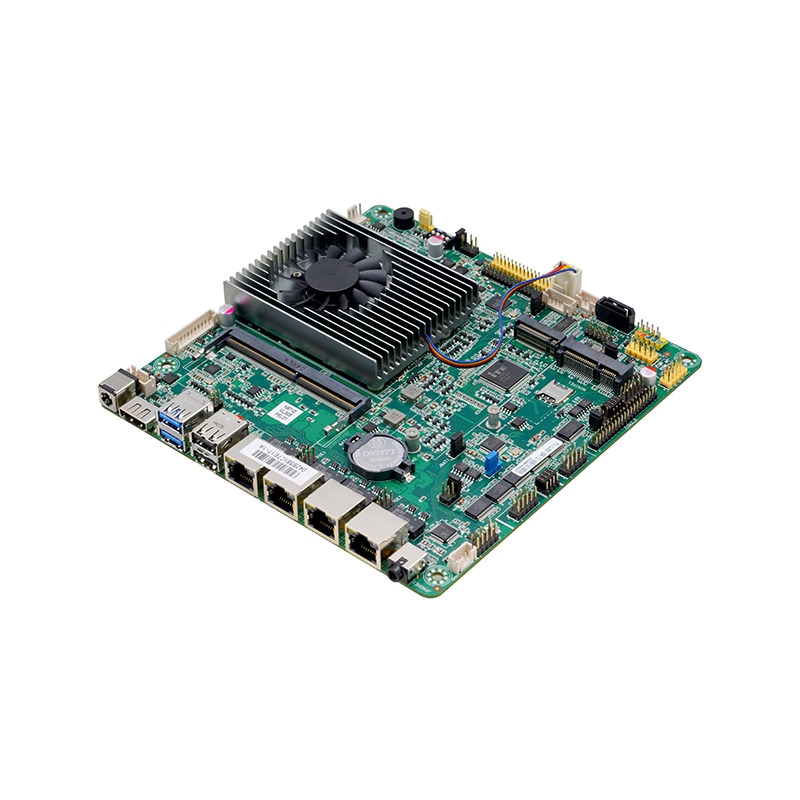
On the functional front, next-generation industrial motherboards are gradually integrating more I/O interfaces (including multiple COM ports, USB 3.0, and GbE LAN) and incorporating TPM 2.0 modules to enhance data security. However, unlike consumer-grade products that rapidly chase new standards, industrial motherboards adopt a more conservative upgrade approach. Vendors prioritize long-term supply stability and OS compatibility — particularly with Windows Legacy and LTS versions of Linux. As a result, some new boards still retain legacy interfaces such as PCI slots and PS/2 connectors to reduce migration costs and risks for existing systems.
Future Outlook
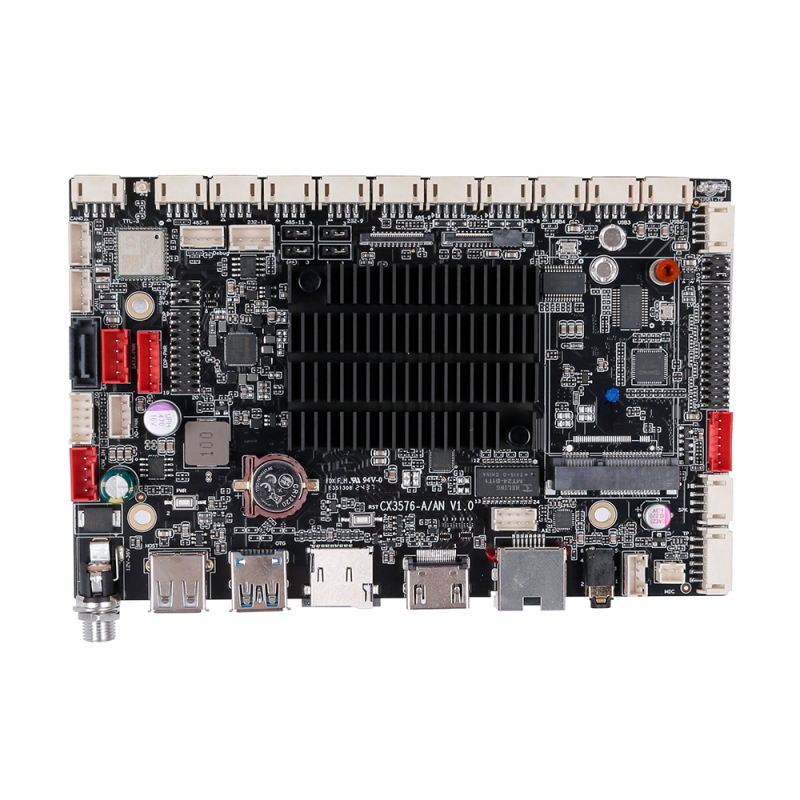
Industry analysts suggest that industrial motherboards will continue to move toward lower power consumption, higher integration, and closer hardware-software co-design. Products based on low-power x86 architectures or ARM platforms are expected to gain a larger share. Onboard LPDDR memory and eMMC storage are also becoming more common, helping to simplify system integration. Overall, the industrial motherboard market remains anchored by the core requirements of stability and reliability, striking a pragmatic balance between legacy support and new capabilities — providing vertically integrated industries with a maintainable and long-term hardware foundation.






 WhatsApp

 Teamas
