The Current Role of Standalone Firewalls in Enterprise Networks
Time:2026-04-10
Views:519
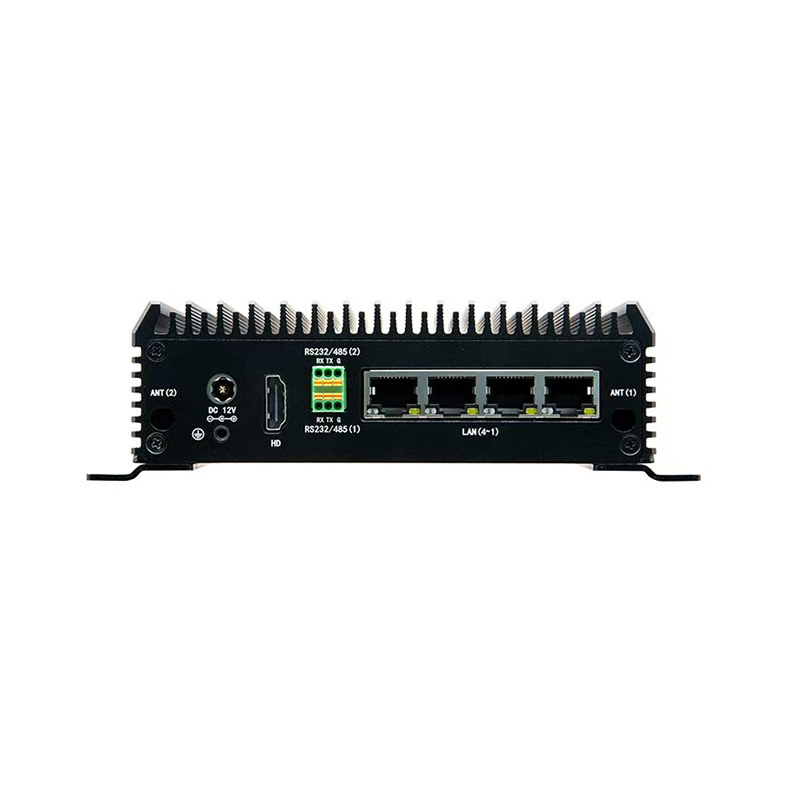
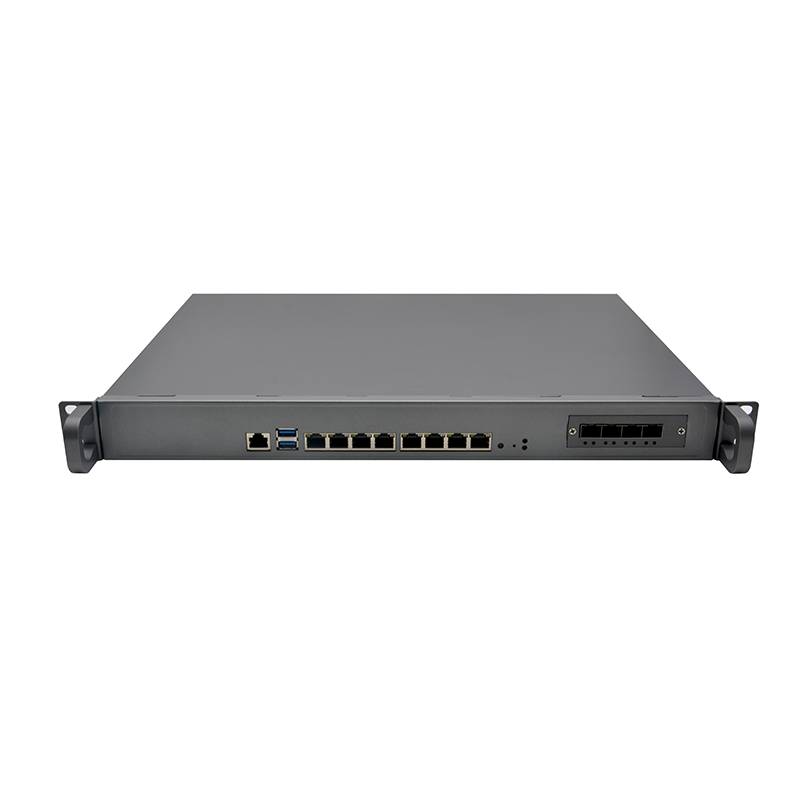
A standalone firewall typically runs on dedicated hardware or as an independent virtual machine. Its core functions include packet filtering and stateful inspection, network address translation, VPN access, and basic intrusion prevention. It does not mandate bundling with web filtering or advanced sandboxing modules, allowing users to add other security products as needed.
In practice, standalone firewalls are still commonly used in three types of scenarios. The first is in core data center areas, where dedicated hardware provides stable performance via specialized chips when handling high traffic volumes with microsecond-level latency requirements. The second is at compliance isolation boundaries — for example, when regulations such as GB/T 22239 or PCI-DSS explicitly require dedicated access control devices, the standalone form facilitates auditing. The third is at the junction between industrial control networks and information networks (IT/OT segregation), where some enterprises choose standalone firewalls that support industrial protocols.
The design logic of standalone firewalls rests on three points: fault isolation (a single point of failure does not affect other security functions), predictable performance (limited throughput degradation when core features are enabled), and independent management planes (reducing the risk of configuration errors propagating). At the same time, they have limitations, such as an inability to address internal lateral traffic threats, limited deep application inspection capabilities, and the need for additional platforms to manage multi-vendor deployments uniformly.
When evaluating whether a standalone firewall is needed, enterprises may consider four questions in sequence. Are there performance metrics that must be met by dedicated hardware? Do compliance requirements explicitly call for a dedicated device? Is there sufficient staff to manage the firewall separately? Has the link been designed to eliminate single points of failure? If the answer to most of these questions is "yes," a standalone firewall is worth considering. If most answers are "no," an integrated or cloud-delivered solution may be preferable.
Conclusion
A standalone firewall is neither obsolete nor a universal solution. Its value lies in clear functional boundaries and predictable performance. Enterprises should make engineering decisions based on their own requirements.






 WhatsApp

 Teamas
