Industrial Firewall Market Continues to Grow, Critical Infrastructure Security Needs Drive Technology Evolution
Time:2026-04-03
Views:650
As industrial control systems (ICS) and operational technology (OT) networks become increasingly interconnected, industrial firewalls are gaining attention as core perimeter security devices for isolating and protecting critical assets in sectors such as energy, manufacturing, and transportation. According to recent reports from several market research firms, the global industrial firewall market is expected to maintain double-digit annual growth over the next five years.
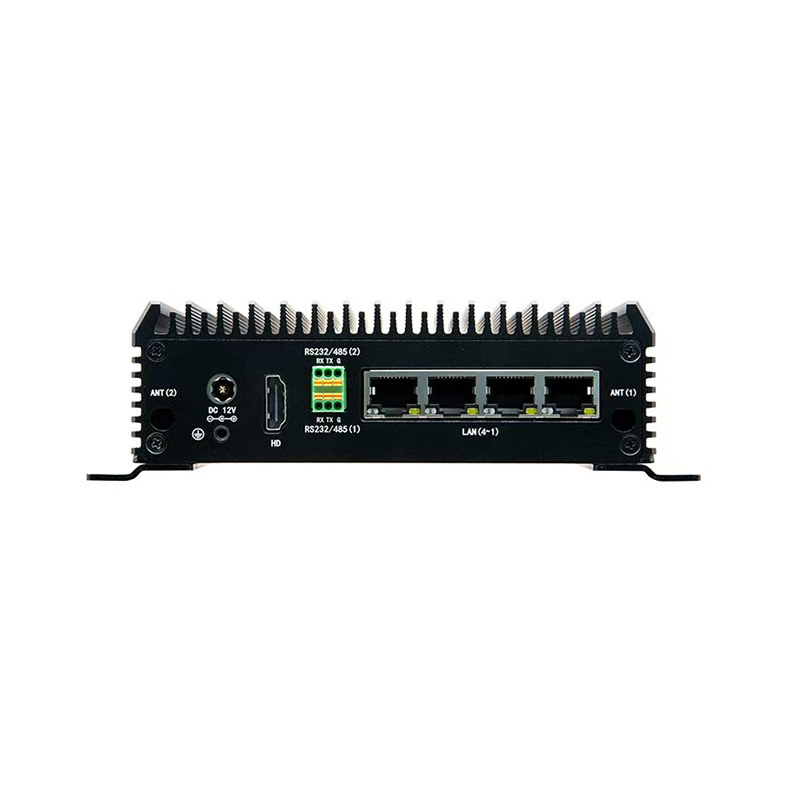
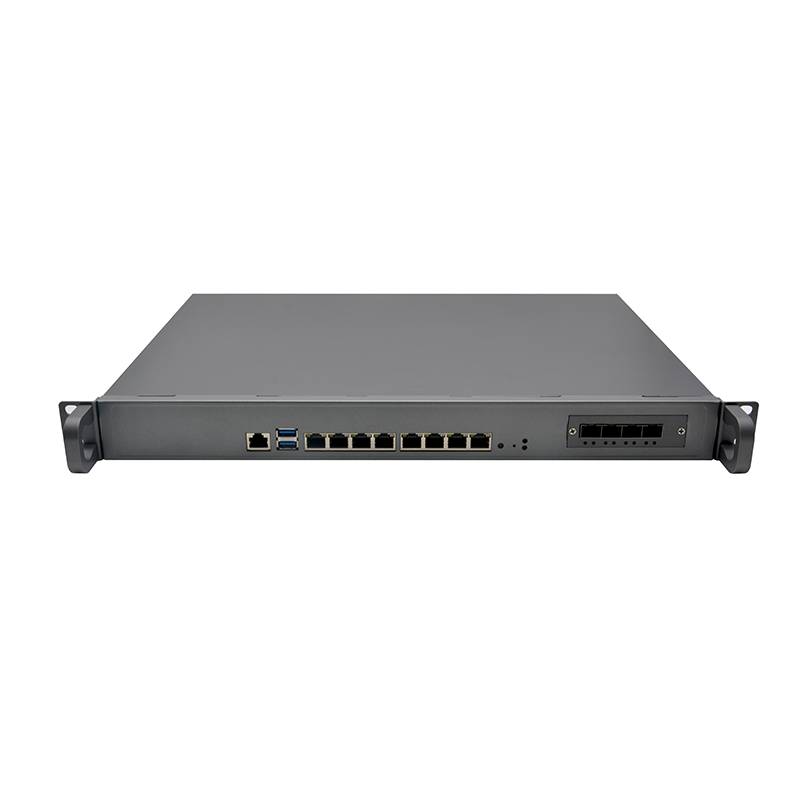
Industrial firewalls differ significantly from traditional IT firewalls in design philosophy. Industrial environments require devices capable of deep packet inspection of proprietary industrial protocols (such as Modbus, PROFINET, and DNP3), while also adapting to harsh conditions including wide temperature ranges, strong electromagnetic interference, and long lifecycles. Currently, mainstream industrial firewall products generally support "whitelist" policies, allowing only explicitly authorized operations and data flows to pass through, thereby reducing the risk of production disruptions caused by misoperations or malicious commands.
In terms of deployment trends, layered defense and zone‑to‑zone segmentation (e.g., in line with the ISA/IEC 62443 standard) have become industry consensus. Users tend to deploy industrial firewalls between control centers, manufacturing execution system (MES) layers, and field layers, integrating them with asset management, log auditing, and security information and event management (SIEM) systems to form a closed‑loop industrial security protection framework.
Demand for industrial firewalls varies across different industries. The power sector focuses on the device‘s ability to parse substation‑specific protocols such as GOOSE and SV with low‑latency forwarding performance. The oil and gas industry emphasizes compliance with hazardous area requirements (e.g., explosion protection ratings) and reliability in unattended remote sites. The manufacturing sector, in contrast, prioritizes centralized management and unified policy distribution to accommodate the flexible needs of frequent production line changes and expansions.
Globally, industrial firewall vendors include specialized industrial cybersecurity firms, general cybersecurity companies, and some automation equipment manufacturers. As IT/OT convergence accelerates, industrial firewalls are integrating advanced features such as intrusion detection, endpoint integrity verification, and encrypted tunnels. However, enhancing security capabilities without impacting real‑time performance and operational continuity remains a technical challenge for both users and vendors.
Looking ahead, industrial firewalls are expected to evolve toward the coordination of lightweight compliance checking with in‑depth behavioral analysis, while further integrating with industrial zero‑trust architectures and cloud‑based security management platforms, providing stronger network perimeter protection for industrial digital transformation.






 WhatsApp

 Teamas
