The industrial mainboard market has recently seen a wave of new product launches, with major manufacturers accelerating the transition to next-generation processor platforms. AI computing power, high-speed transmission, and industrial-grade reliability are the three key themes of this product upgrade cycle.
In terms of processor platforms, several new products based on Intel Core Ultra Series 3 processors have been introduced. These platforms generally integrate powerful AI computing capabilities, with some products delivering up to 180 TOPS of AI performance, providing new computing power support for industrial automation and AI-embedded applications. These mainboards typically utilize PCIe 5.0 high-speed expansion interfaces and support DDR5 memory, achieving significant improvements in data transmission bandwidth and latency.
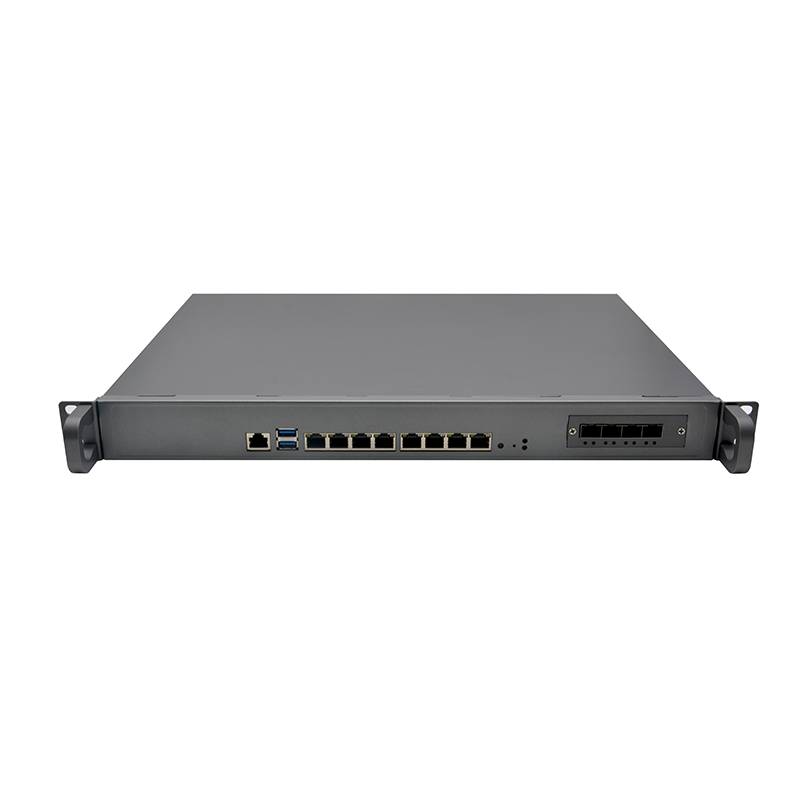
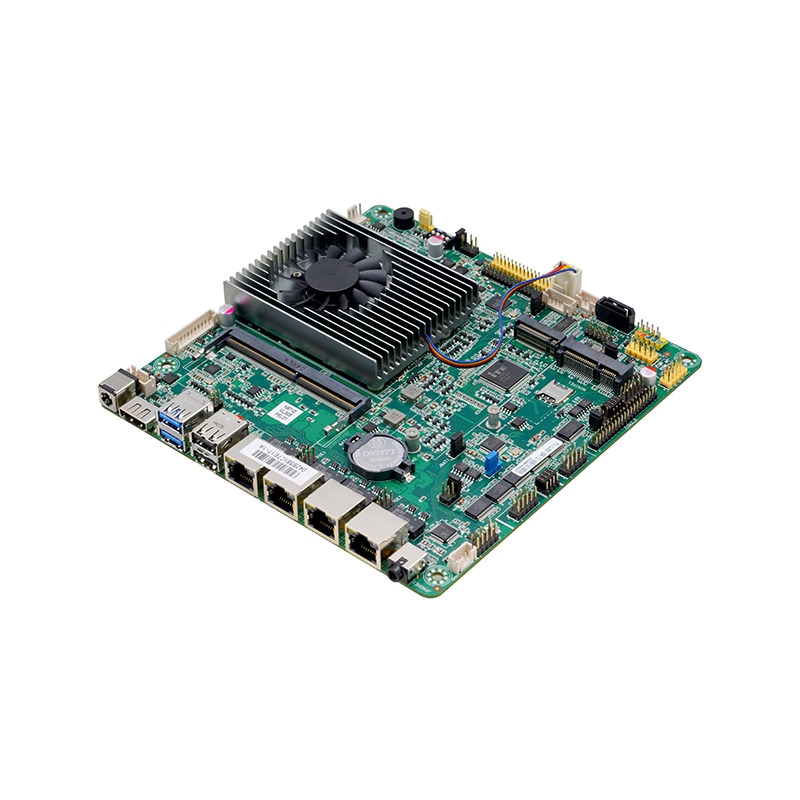
Meanwhile, industrial mainboards supporting AMD EPYC 4005 and Ryzen 9000 series processors have also entered the market. The product line covers various form factors including ATX, Micro-ATX, and Mini-ITX, meeting diverse deployment needs ranging from edge servers to compact AI computing platforms.
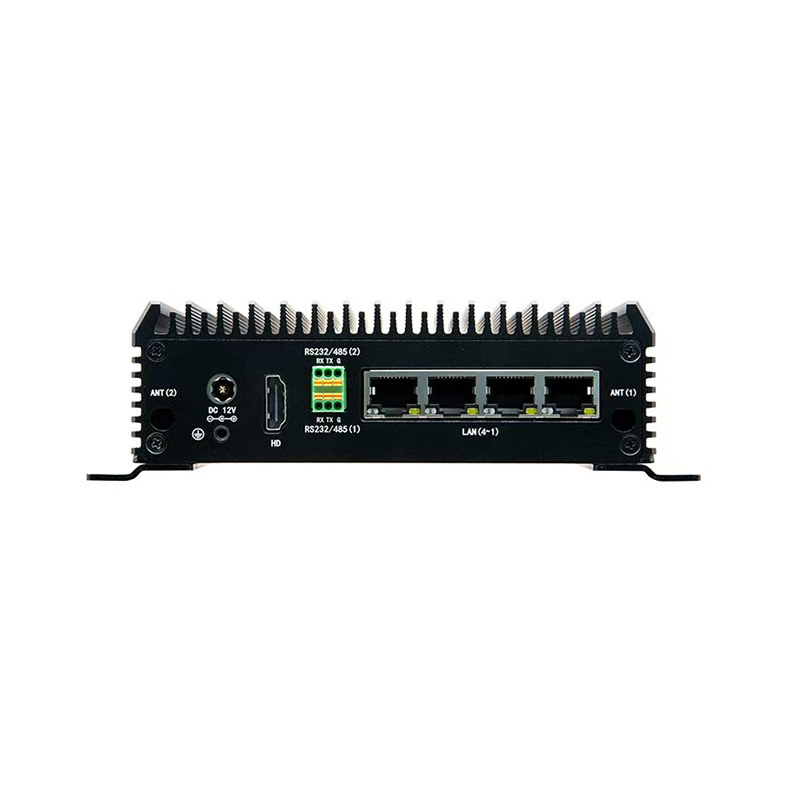
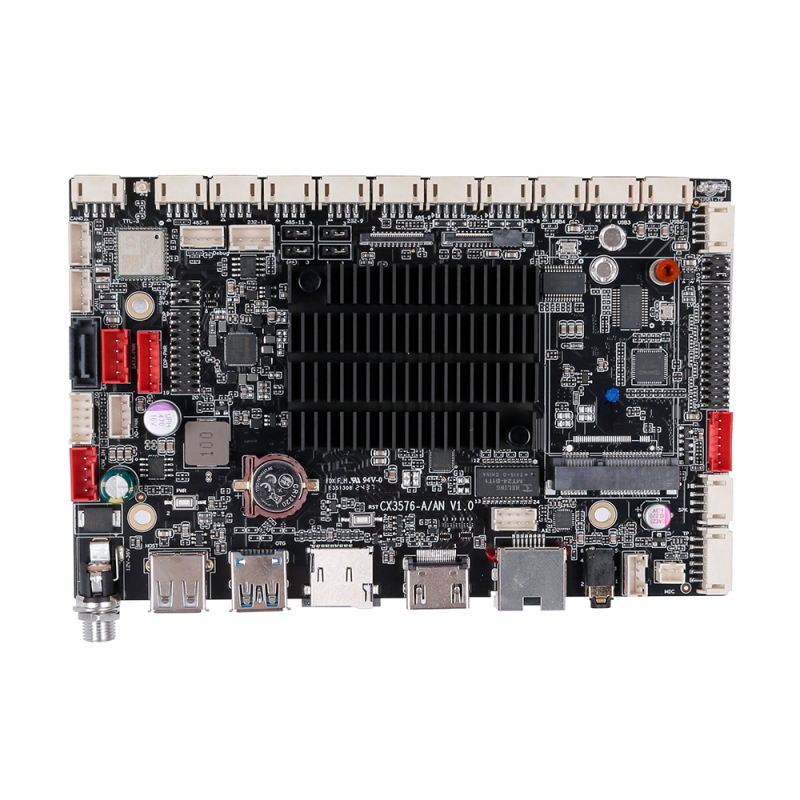
At the application level, new mainboards have generally strengthened their support for vision applications, robotics, and smart factory environments. By integrating high-speed interfaces such as 2.5G LAN and USB4 Type-C while retaining traditional industrial control interfaces like COM ports and GPIO, these products achieve a better balance between connectivity and compatibility.
In terms of industry dynamics, the recent Embedded World 2026 exhibition featured a concentrated showcase of industrial mainboards and edge AI platforms for smart manufacturing, smart cities, and smart retail, reflecting the accelerating evolution of industrial computing toward intelligence and real-time capabilities.
Overall, the industrial mainboard market continues to benefit from the ongoing expansion of smart factories and edge computing, with high performance, long lifecycles, and stable reliability remaining core competitive differentiators.






 WhatsApp

 Teamas
