Recent developments in the industrial firewall sector indicate a clear shift from traditional perimeter defense toward deep business process integration. With the advancement of Industry 4.0 and smart manufacturing, industrial firewall products are increasingly enhancing deep packet inspection capabilities for proprietary industrial protocols such as Modbus, OPC UA, and Profinet. By leveraging whitelisting mechanisms and behavioral baseline technologies, they enable granular control over production traffic within industrial control systems (ICS).

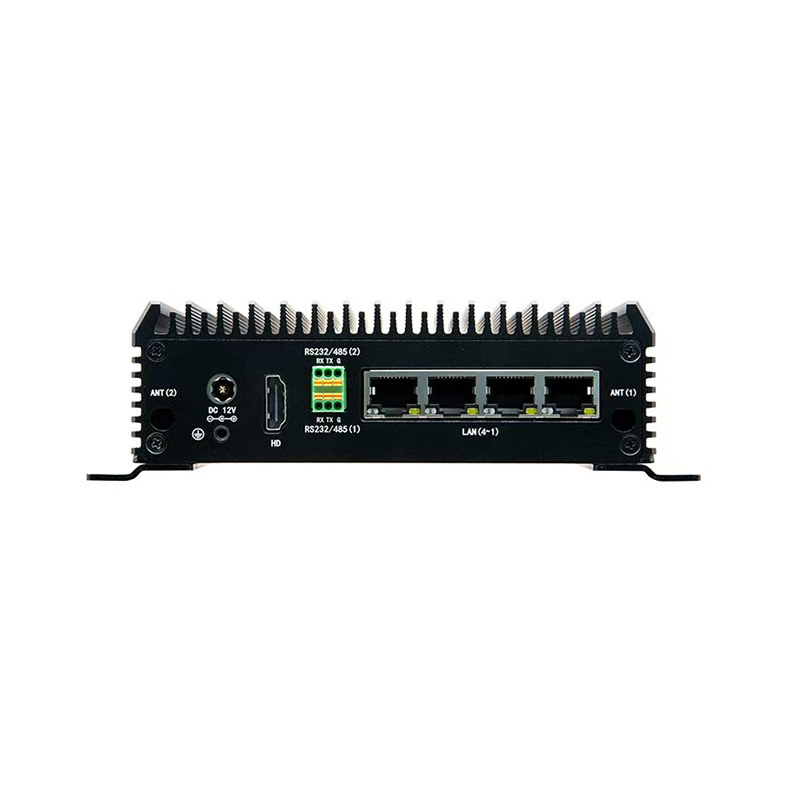
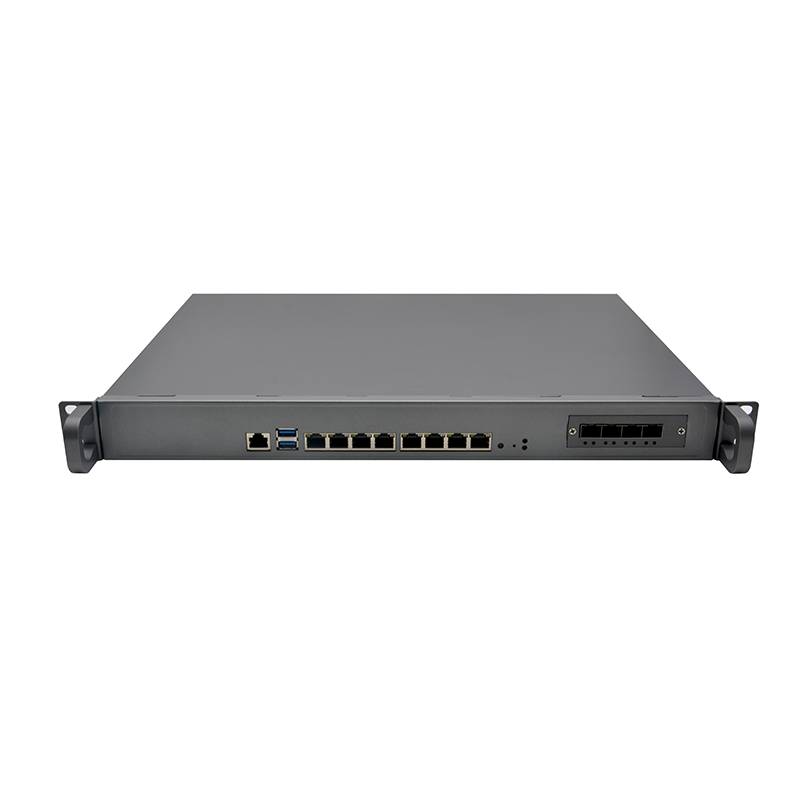
In terms of deployment models, lightweight and flexible designs have emerged as new directions. To meet stringent environmental requirements in industrial settings, recently launched industrial firewalls now support wider operating temperature ranges, fanless designs, and DIN-rail mounting, while physical footprints have been further reduced to accommodate space-constrained industrial control cabinets. Meanwhile, software-defined firewalls and virtualized form factors are gaining traction in edge computing scenarios, enabling containerized deployment on industrial edge gateways or controllers—achieving deeper convergence between computing resources and security protection.

Additionally, industry focus is shifting from pure perimeter isolation to ensuring business continuity. Newer products increasingly incorporate hardware bypass capabilities and automatic failover mechanisms to maintain network connectivity during device anomalies or power failures, preventing production disruptions caused by security device malfunctions. On the operations management front, centralized management platforms are integrating asset discovery, threat intelligence, and ticketing systems, empowering operations teams to configure policies and audit logs for industrial firewalls distributed across multiple facilities from a unified perspective.

Overall, the evolution of industrial firewalls remains closely aligned with two core priorities: ensuring the continuity of critical infrastructure and supporting OT-native security. This trajectory is driving continued advancements in refined protocol identification, more flexible deployment options, and more integrated management capabilities.