As the global industrial sector accelerates its transition toward smart manufacturing and the Internet of Things (IoT), the foundational hardware supporting this shift is undergoing a significant, yet often overlooked, transformation. Industrial motherboards, the robust backbone of mission-critical applications, are evolving to meet the demands of a world that requires more processing power in increasingly space-constrained environments.
The current landscape of industrial computing is defined by a strategic diversification in form factors. For decades, standards like Micro-ATX and proprietary backplane designs dominated the landscape, offering the expansion slots and durability required for factory automation and control systems. However, the edge computing revolution is compelling a move toward more compact and energy-efficient architectures.
The Shift Toward Density and Efficiency
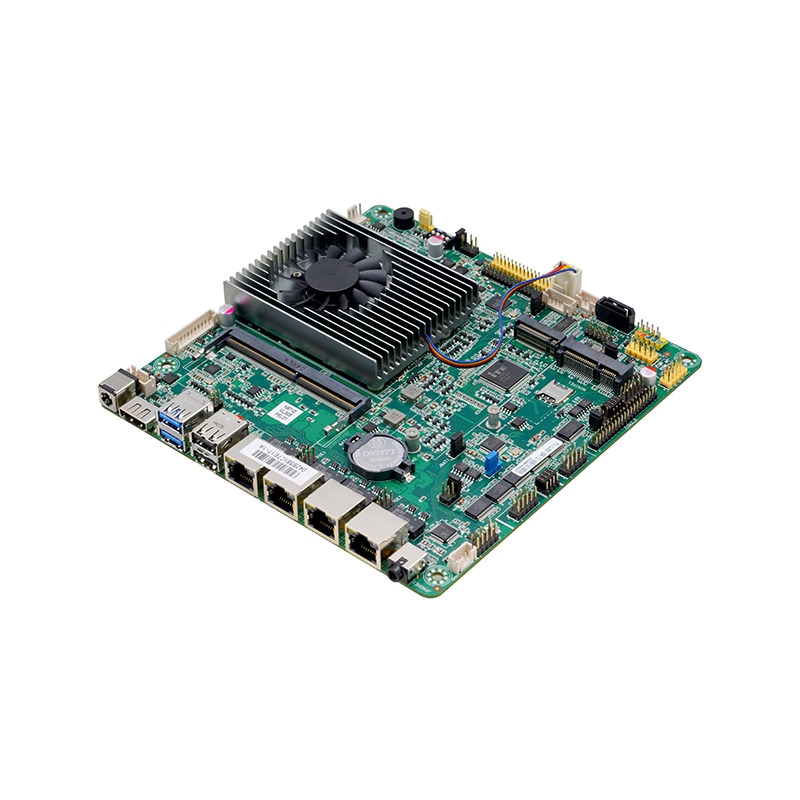
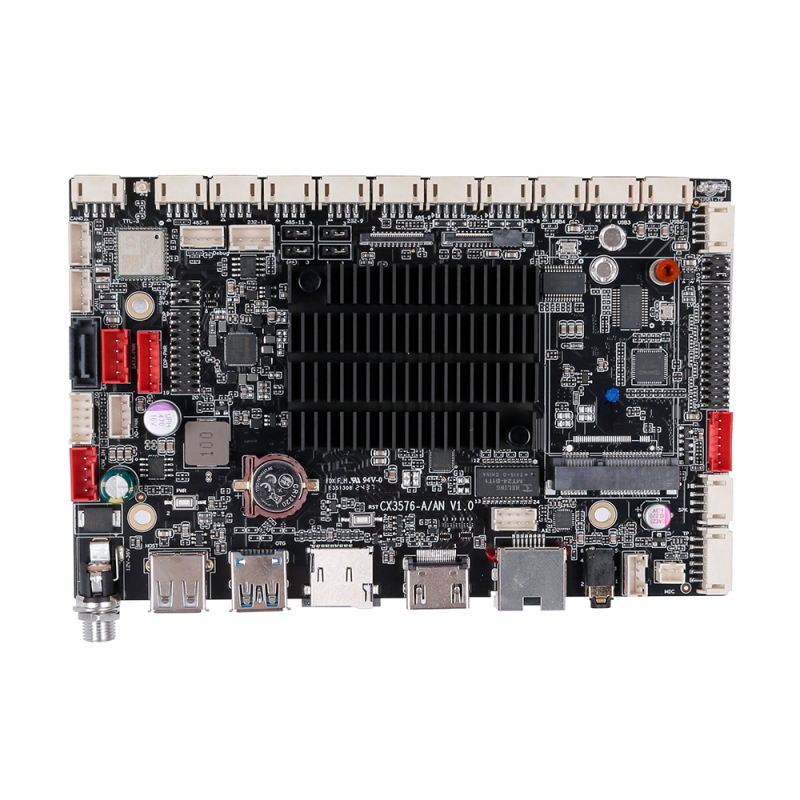
The most notable trend in recent motherboard engineering is the widespread adoption of smaller, feature-rich form factors such as Mini-ITX, PICO-ITX, and even more specialized embedded standards. This miniaturization is not a compromise on performance but rather a recalibration. Modern industrial boards are now engineered to house powerful, multi-core processors capable of handling complex data aggregation and real-time analytics directly on the factory floor.
By reducing the physical footprint, system integrators can now design equipment that fits into tighter spaces without sacrificing computational throughput. This is particularly critical in applications like autonomous mobile robots (AMRs), medical carts, and digital signage, where internal real estate is at a premium.
Enhanced I/O and Connectivity on a Smaller Scale
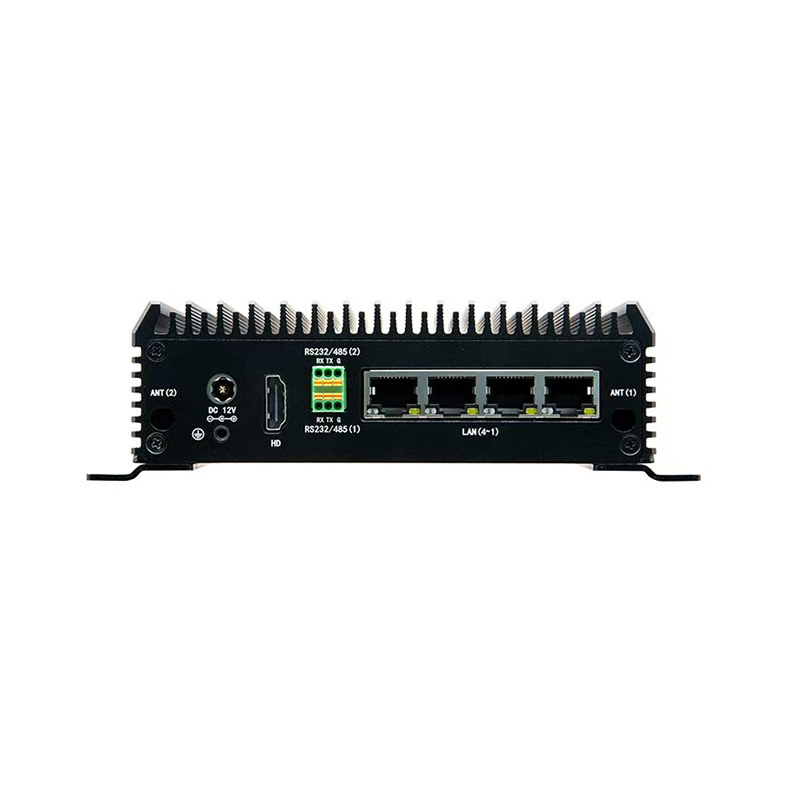
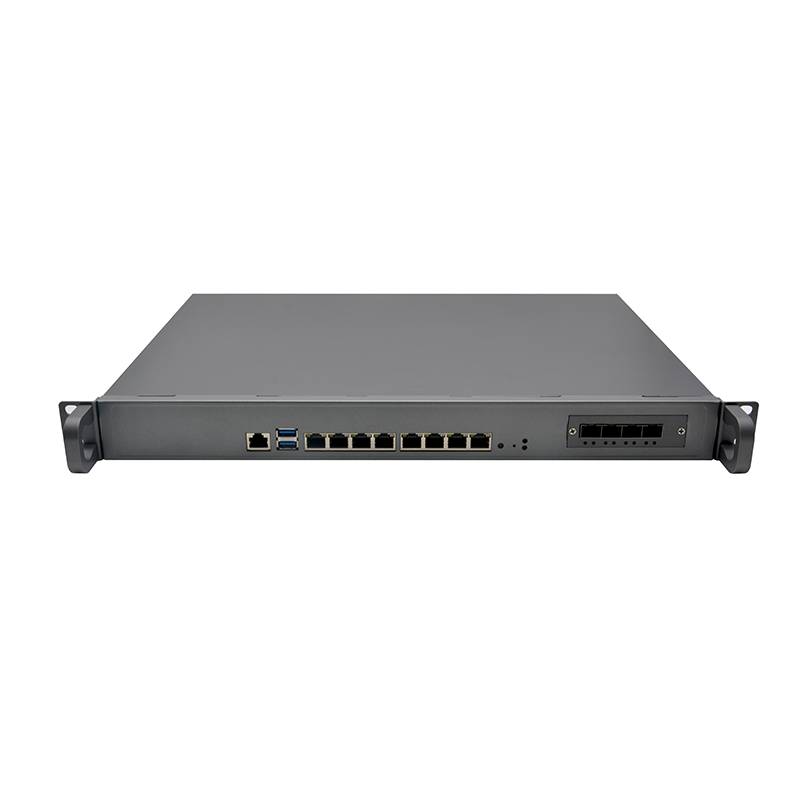
Despite the reduction in size, the functional demands on these motherboards have increased. The modern industrial board must serve as a central hub for diverse peripherals. Consequently, manufacturers are focusing on dense I/O configurations. We are seeing a rise in boards that offer multiple Gigabit Ethernet ports for high-speed networking, numerous USB connectors for peripheral integration, and legacy ports like COM and GPIO to interface with existing industrial machinery.
The ability to support wide-temperature operation and enhanced vibration resistance remains a staple of industrial design, ensuring that these smaller boards can survive the harsh conditions of a manufacturing plant or an outdoor digital kiosk.
Powering the Future at the Edge
Perhaps the most significant architectural shift is the integration of the motherboard as the core of the edge computing node. With data processing moving closer to the source, the industrial motherboard is no longer just a controller; it is a data processor. This requires careful design to balance thermal output with performance. Engineers are focusing on passive cooling solutions and low-power chipset designs that allow for fanless operation, increasing the longevity and reliability of the end system.
In conclusion, the industrial motherboard market is moving decisively toward specialization through size. The future of automation relies on the ability to deploy high-performance computing power exactly where it is needed, and the evolution of these compact, durable motherboards is making that possible. As applications continue to converge—requiring IT performance in OT environments—the industrial motherboard will remain the silent, reliable enabler of the automated world.






 WhatsApp

 Teamas
