Driven by the advancement of Industry 4.0 and smart manufacturing, industrial motherboards, serving as core control units, are experiencing continuous technological iteration and expanding application scenarios. The current industrial motherboard market is demonstrating a steady growth trajectory, with its design, manufacturing, and application closely aligning with the core demands of industrial digital transformation.
Technology Trends: Emphasizing the Balance of Performance, Expansion, and Adaptability
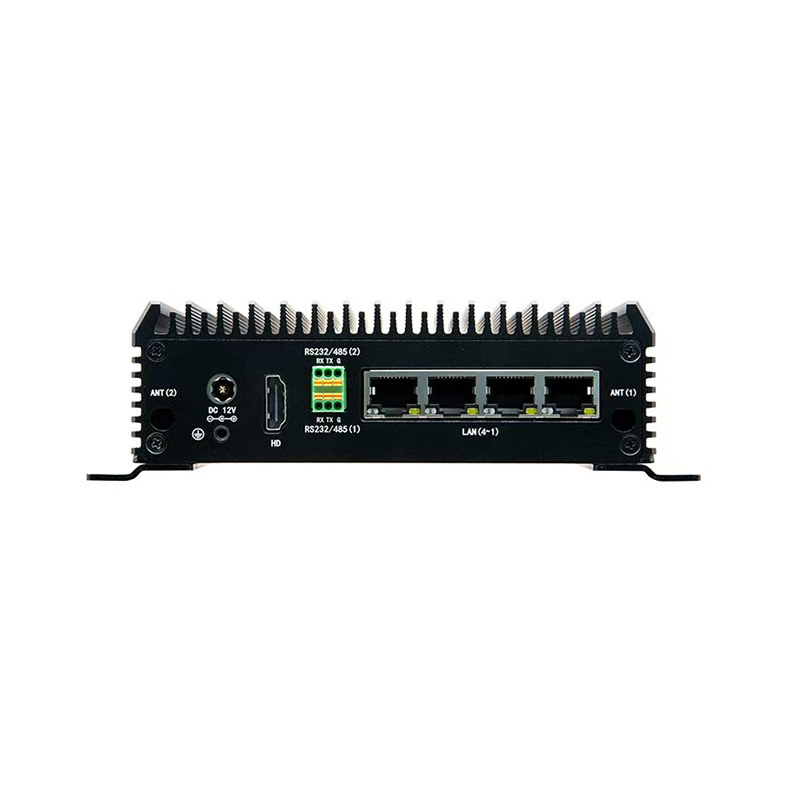
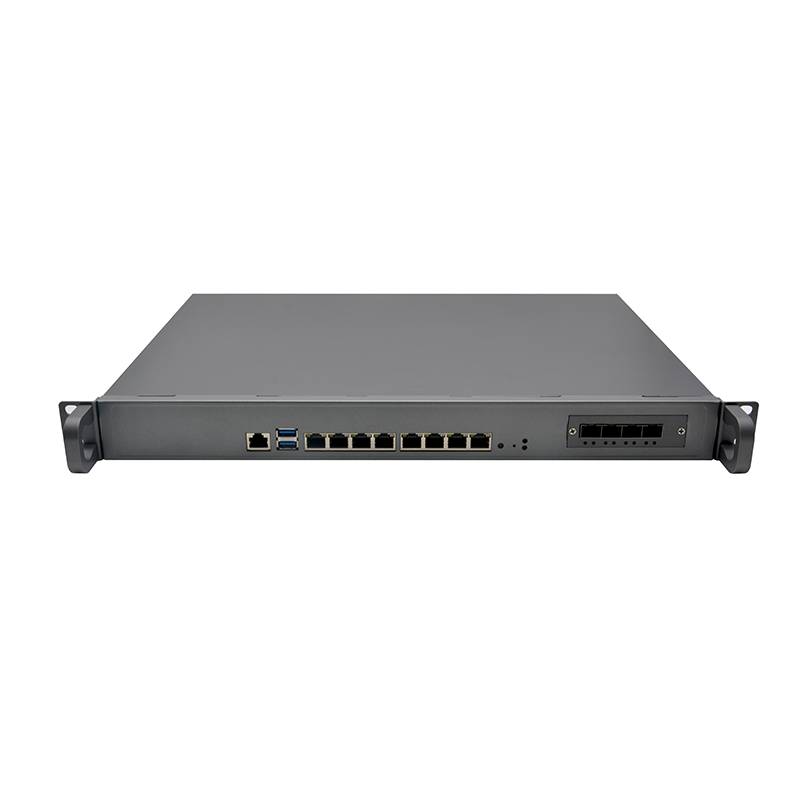
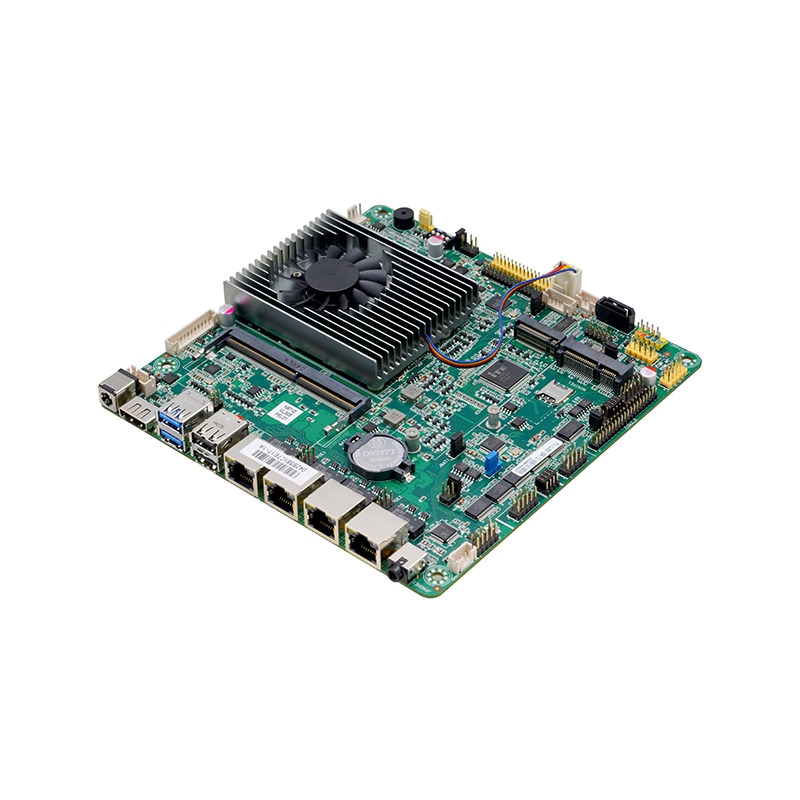
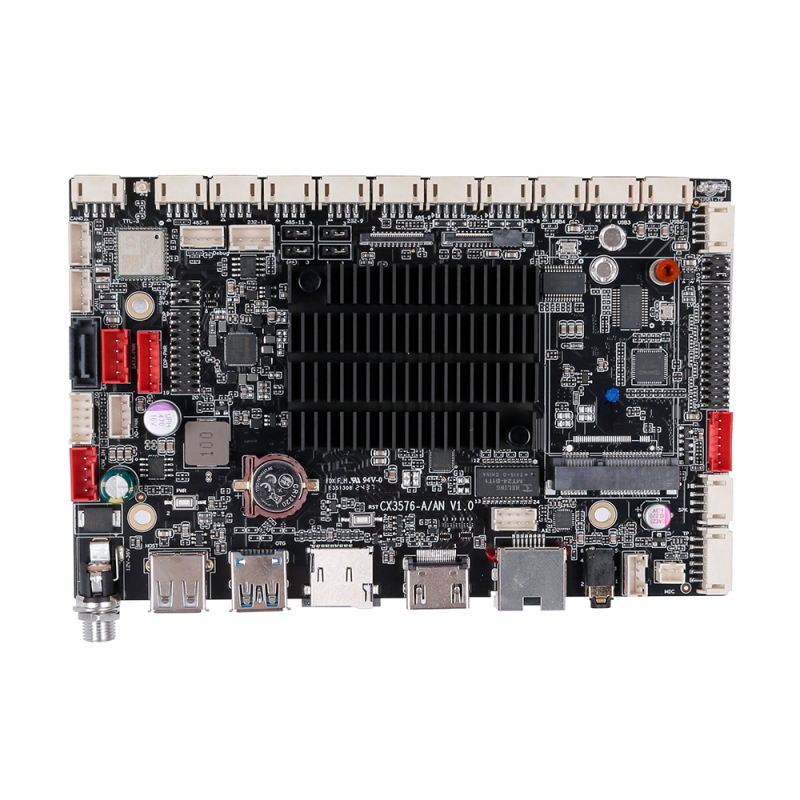
The design of next-generation industrial motherboards places greater emphasis on supporting high-performance computing platforms to meet escalating data processing needs. Simultaneously, to adapt to complex industrial environments, products are continuously optimized in areas such as wide temperature operation, vibration resistance, dust protection, and electromagnetic compatibility. The prevalence of high-speed expansion interfaces like PCIe (Peripheral Component Interconnect Express) and M.2 enables flexible integration of various functional modules, including graphics processing, motion control, and data acquisition, making these motherboards ideal carriers for industrial edge computing nodes.
Application Areas: Extending from Automation to Digitalization and Intelligence
Traditionally, industrial motherboards have been widely used in CNC (Computer Numerical Control) machine tools, industrial robots, and power automation. Today, with the integration of IoT technologies, their role is shifting from pure device control to encompassing data acquisition, edge pre-processing, and cloud collaboration. In smart factories, production line equipment equipped with industrial motherboards can achieve real-time status monitoring and predictive maintenance. In outdoor or harsh environments such as intelligent transportation, smart healthcare, and security surveillance, their high reliability and long-lifecycle supply characteristics form the cornerstone of critical infrastructure.
Market Dynamics: Focusing on Customization and Long-Term Supply Assurance
The industrial sector is characterized by significant application fragmentation, with diverse customer requirements regarding motherboard functionality, form factor, and interfaces. Consequently, providing ODM (Original Design Manufacturer) / OEM (Original Equipment Manufacturer) customization services has become a mainstream industry model, alongside standard product offerings. Furthermore, industrial users generally have high expectations for product lifecycles, commonly requiring stable supply assurances for 5, 7 years, or even longer. This places greater demands on the supply chain management capabilities and technical reserves of motherboard manufacturers. The upstream and downstream segments of the industry chain are strengthening collaboration to ensure a stable supply of critical components and a smooth technological evolution.
In summary, the industrial motherboard market is steadily advancing towards higher performance, enhanced adaptability, and deeper industry integration, continuously building a solid hardware foundation for digital transformation across various sectors.






 WhatsApp

 Teamas
