Industrial Motherboard Market Undergoes Transformation: Balancing High Performance and Durability
Time:2025-12-23
Views:876
With the rapid development of Industry 4.0 and IoT technologies, industrial motherboards, as core components of smart manufacturing, are undergoing significant technological innovations and market evolution. Recent industry data indicates that the global industrial motherboard market is expected to grow at an average annual rate of 8.5% over the next five years, with the Asia-Pacific region becoming the fastest-growing market.
Technology Development Trends
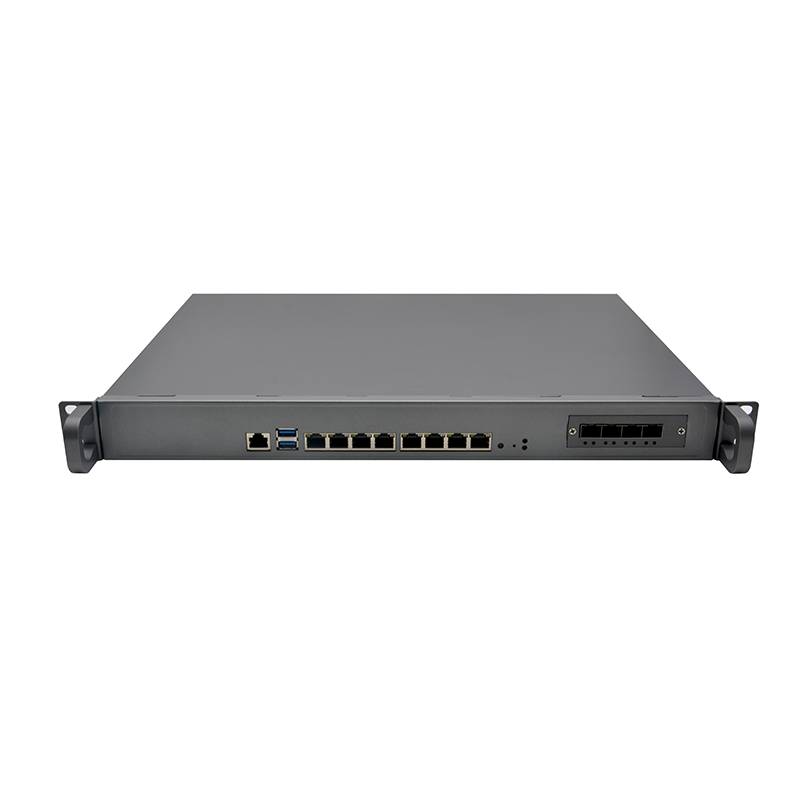
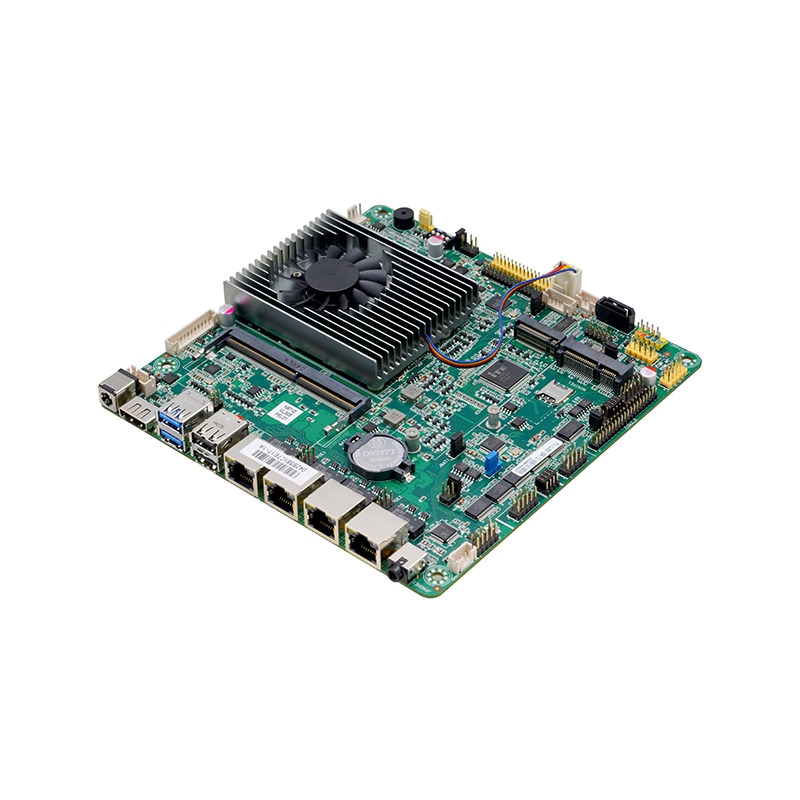
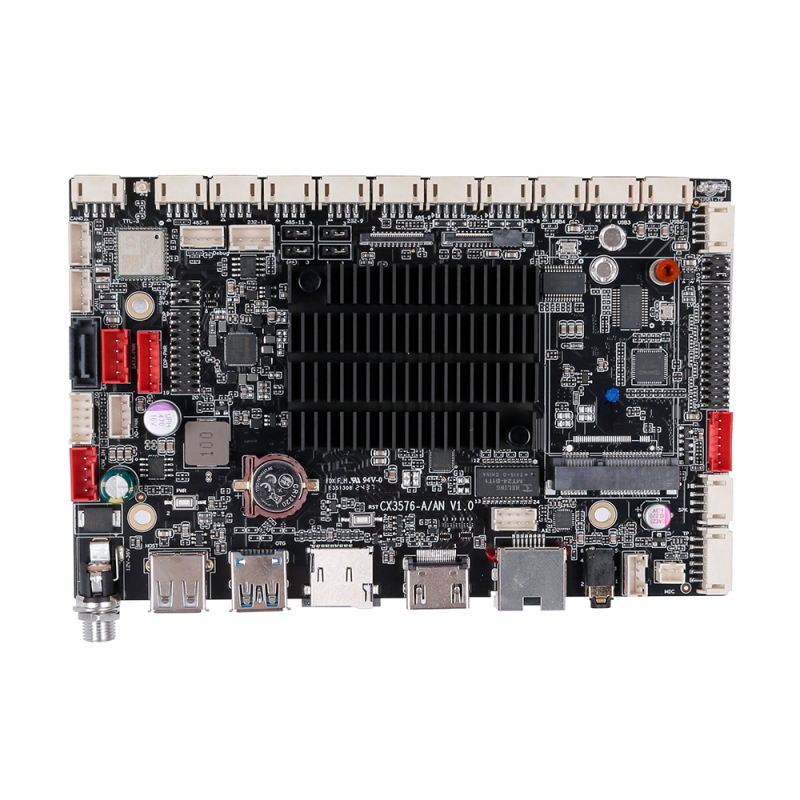
Current industrial motherboard designs show clear diversification characteristics. On one hand, high-performance computing demands are driving industrial motherboards toward greater processing power, larger memory capacity, and faster data transmission speeds. On the other hand, extreme industrial environment applications impose higher requirements on motherboard durability, stability, and adaptability.
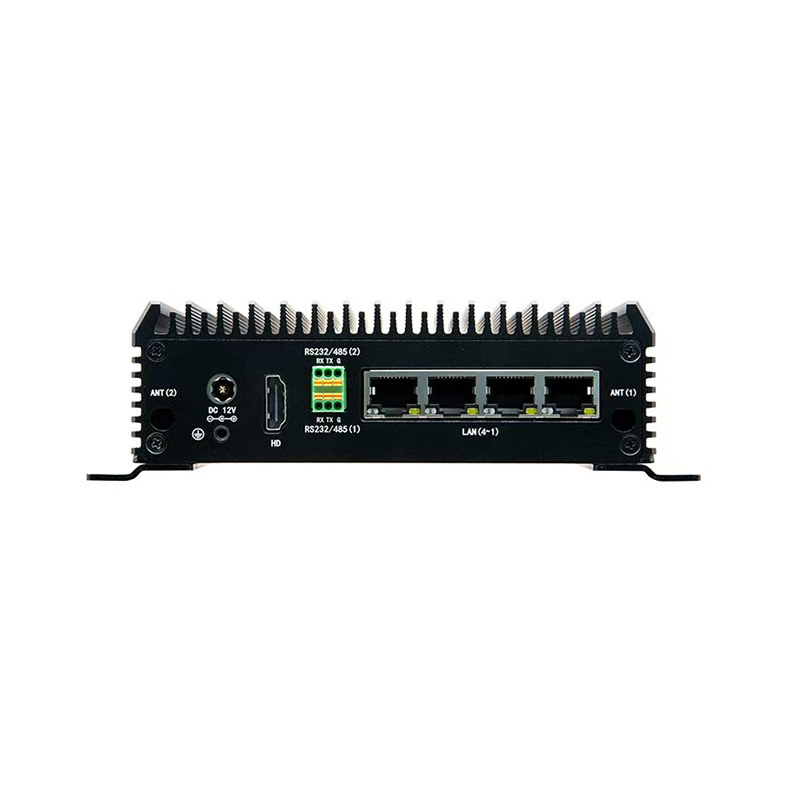
New industrial motherboards generally feature enhanced environmental adaptability, supporting wider operating temperature ranges (-40°C to 85°C) with improved resistance to vibration, shock, dust, and moisture. Meanwhile, modular design concepts are gradually becoming mainstream, allowing customers to flexibly configure I/O interfaces, expansion slots, and specialized functional modules according to specific application needs.
Expansion of Application Fields
Traditionally, industrial motherboards were primarily used in factory automation, traffic control, and energy management. Today, with the integration of edge computing and artificial intelligence technologies, industrial motherboards are rapidly penetrating emerging fields such as smart retail, medical equipment, autonomous driving, and smart cities. Particularly in machine vision inspection and predictive maintenance systems, specialized industrial motherboards are playing increasingly important roles.
Supply Chain and Sustainable Development
Fluctuations in the global chip supply chain have prompted industrial motherboard manufacturers to reevaluate their supply chain strategies. Several leading companies are strengthening inventory management of key components while exploring diversified supplier systems. Environmental factors have also become an industry focus, with RoHS compliance, reduced energy consumption, and extended product lifecycle becoming important considerations in industrial motherboard design.
Industry Challenges and Opportunities
Despite continuous market demand growth, the industrial motherboard industry still faces challenges such as insufficient technical standardization and increased production costs due to growing customization requirements. Simultaneously, the commercialization of 5G technology, the proliferation of AI edge computing devices, and the acceleration of digital transformation present new development opportunities for industrial motherboard manufacturers.
Industry analysts note that future industrial motherboard development will place greater emphasis on balancing performance and reliability, optimizing hardware-software coordination, and enhancing full lifecycle service capabilities. Manufacturers capable of providing complete solutions rather than just hardware products will occupy more favorable positions in the competitive landscape.
About Us
We are a technology company specializing in industrial computing solutions, providing products and services ranging from industrial motherboards and embedded systems to complete customized solutions. We are committed to providing reliable and efficient industrial computing products to customers worldwide.






 WhatsApp

 Teamas
